Septic System Care
Tips, FAQs, and Best Practices
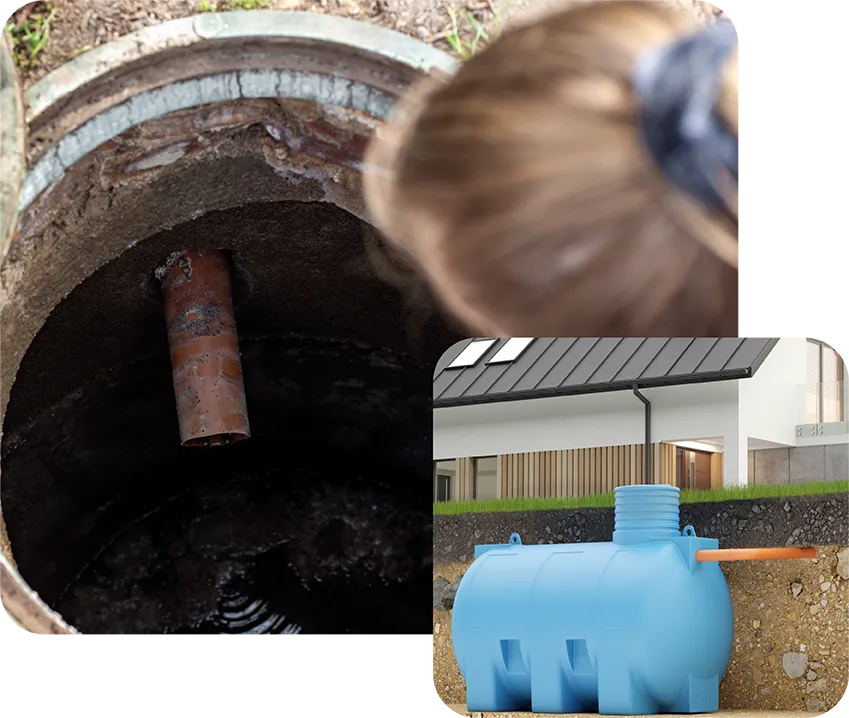
Simple tips to protect your
system, your property, & the environment
Owning a home with a septic system comes with responsibility, but proper septic system care does not have to be complicated. With the right habits and routine maintenance, homeowners can keep their septic systems operating efficiently for decades.
This guide provides simple septic system maintenance tips, frequently asked questions, and best practices to help homeowners protect their property, groundwater, and nearby lakes.
Septic Pumping Plus + provides professional septic services throughout Simcoe County, helping homeowners maintain healthy septic systems through inspections, pumping, and system maintenance.

Septic System Do's
These simple habits support long-term septic system performance and reduce the likelihood of breakdowns.
- Know the location of your septic tank and leaching bed
- Keep an “as-built” system diagram in a safe place for reference
- Divert surface water away from your tank and the leaching bed
- Pump your septic tank regularly, typically every three to five years
- Repair leaky faucets, toilets, and plumbing fixtures
- Conserve water to reduce the volume entering the system
- Clean washing machine lint filters to keep lint out of the system
- Keep the tank access lid securely fastened to the riser and accessible
- Maintain accurate records of septic inspections, pumping, and service calls
Septic System Don'ts
Avoiding these common mistakes can help prevent serious and expensive system damage.
- Do not flush chemicals, paint, cigarette butts, wipes, or sanitary products
- Do not use a garbage disposal or garburator
- Do not plant trees or shrubs near the tank or leaching bed
- Do not dig without knowing where your septic system components are located
- Do not drive or park vehicles over the tank or leaching bed
- Do not enter a septic tank, as gases and lack of oxygen can be fatal
- Do not connect rain gutters or storm drains to the septic system
- Do not leave indoor faucets running during cold weather—insulate instead
- Do not connect water softeners to the system, as salt can damage bacteria and overload the tank
- Do not have sump pumps connected to a system
Septic Inspections
& Pumping
Routine septic inspections and pumping play a critical role in preventing system failure. Septic tanks should be inspected at least every three years and pumped every three to five years by a qualified professional. Frequency may vary depending on household size, water use, and tank capacity.
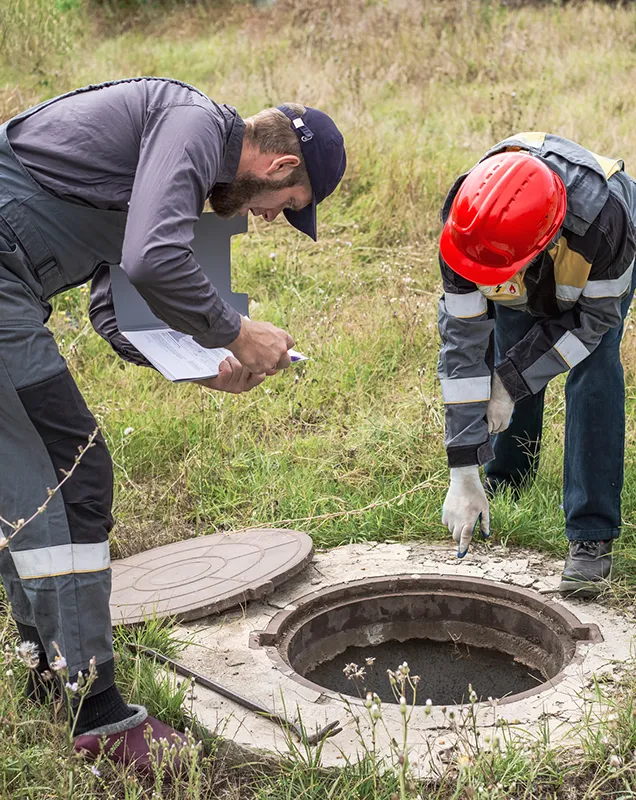
During an inspection, the system is checked for leaks, blockages, soil absorption issues, mechanical failures, and signs of wear. Pumping removes built-up solids before they can move into the drain field. When solids enter the drain field, they can clog pipes, thicken biomats, and cause untreated wastewater to surface or reach nearby water bodies.
Preventative Septic System Maintenance
Daily habits have a direct impact on septic system health. Conserving water reduces strain on the system and improves treatment efficiency. Only human waste and toilet paper should be flushed, and care should be taken to protect the drain field so it can properly filter.
Septic systems are often shared concerns within rural communities. Encouraging neighbours to follow best practices helps protect shared groundwater and nearby lakes and rivers.
Practical Tips for Long-Term
Septic System Care
- Use water efficiently by taking shorter showers, and running full laundry and dishwasher loads
- Schedule septic inspections at least every two years and pumping every three to five years
- Keep septic tank access clear for maintenance and servicing
- Reduce use of phosphate-based detergents to protect nearby water bodies
- Avoid building patios, decks, parking areas, or structures over the leaching bed and tank
- Install an effluent filter to reduce solids entering the leaching bed
- Avoid snowmobile use over the leaching bed in winter
- Limit lawn watering near the leaching bed area
- Use caution with water softener backwash, furnace condensate, and treatment system discharge
- Direct roof and surface runoff away from the septic system
Protect Your Septic System Before Problems Start
Proper septic system care helps prevent system failure, protect groundwater, and avoid expensive repairs.
If your septic system needs pumping, inspection, or maintenance, the team at Septic Pumping Plus + is here to help.
We provide reliable septic services throughout Simcoe County, including Barrie, Orillia, Midland, Wasaga Beach, and surrounding communities.
FAQs
What is a septic system?
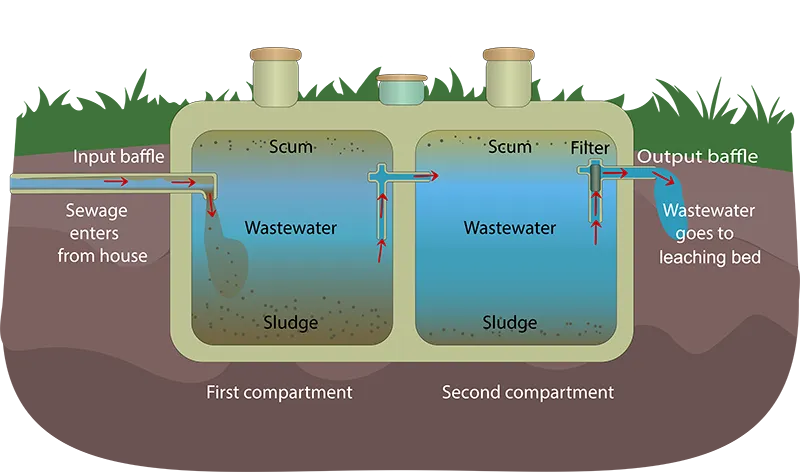
A septic system is an on-site wastewater treatment system that collects, treats, and disperses household wastewater on properties not connected to municipal sewers.
What are the common signs a septic system needs service?
Common signs include slow drains, sewage odours, pooling water, gurgling pipes, and rising wastewater levels in the tank.
Do you offer scheduled routine pumping and maintenance?
Yes. Scheduled routine pumping and maintenance helps prevent system failure and supports long term septic system performance.
What does a septic inspection include?
A septic inspection includes doing a flow test, and checking water levels, sludge and scum, baffles, pipes, pumps, filters, and the drain field. Learn more about our inspections.
Are septic inspections recommended when buying a home?
Yes. Septic inspections are commonly recommended during home purchases to evaluate system condition and reduce unexpected repair risks or replacements.
Will household cleaners damage my septic system?
Most household cleaners are safe in normal amounts, but excessive use of harsh chemicals can disrupt the bacteria your septic system needs to function properly. Bacteria may need to be added. Ask us about it.
What should I do if my septic tank is backing up into my house?
Stop using water immediately and contact us for an emergency service, as continued use can worsen damage and cause health risks.
How often should septic pumping be done?
Septic pumping is typically needed every two to three years, depending on tank size, household size, and water usage. Learn more about our services.
Do you replace septic tanks?
No. Septic Pumping Plus + focuses on septic system repair and maintenance, including tank repair, system rejuvenation, and performance improvements. However, we can connect you to another company that can look after your septic tank replacement.
Can a failing tile bed be repaired instead of replaced?
In many cases, yes. Tile bed rejuvenation can improve drainage and extend the life of the existing system.
What areas do you serve?
We provide service throughout Simcoe County for septic pumping, septic inspections, and septic system repair and maintenance. This includes Barrie, Innisfil, Springwater, Oro-Medonte, Bracebridge, Essa, Angus, Midland, Orillia, Collingwood, Bradford, Wasaga Beach, Creemore, Stayner, New Tecumseth, Coldwater, Gravenhurst, Moonstone, Tiny.
Do you offer emergency septic services?
Yes. 24/7 emergency septic pumping and repair services are available for urgent system issues.
How is septic waste disposed of?
All septic waste is transported and disposed of according to environmental and regulatory requirements.
Do you install septic system upgrades?
Yes. Septic filters and septic tank risers are installed to improve system protection and access.
Will I receive records after a septic inspection or service?
Yes. Inspection reports and maintenance records are provided after service is completed.
Why are septic inspections important?
Septic inspections identify potential system issues early and help prevent costly repairs or environmental damage. Learn more about our inspections.
Want to Know More About Your Septic System?
Check Out These Valuable Resources
Watersheds Canada’s education toolkit
A thorough explanation of septic systems and how they work.
Septic System Basics for Homeowners
This shows the basics of how a septic system functions and provides best maintenance practices for homeowners.
FOCA Cottage Country Septic System
Made by Federation of Ontario Cottagers’ Associations, this video guides you through all the different functioning parts of a standard septic system.
A Homeowner’s Guide to a Healthy Sewage System
Learn basic tips on maintaining a healthy septic system.
A Guide to Operating & Maintaining Your Septic System
This guide contains everything you need to know about operating and maintaining your septic system.
About Your House: Buying a House With a Well and Septic System
If you’re looking at buying a home with a septic system already installed, this is a valuable resource.
Septic Smart – Understanding Your Home’s Wastewater System
This explains how your system works and how to keep it working properly.
Cottage Septic Systems
This document by the Federation of Ontario Cottagers’ Associations goes over common mistakes septic owners make and how to avoid them.